Why Wilmington Real Estate Contracts Feel Backwards
Every Friday, my team makes what we call our Fun Friday calls. We reach out to our seller clients, share online view counts, showing feedback and market activity, and if there's nothing new to report, we tell them exactly that. No spin. Lately those Friday calls have taken an odd turn. We're hearing from more and more homeowners who aren't even our clients — they've got a house listed with another agent, and they're calling us asking how to get out of it.
I can't tell someone how to break a contract they signed with another brokerage. That conversation has to happen with their agent. But it's telling me something about how backwards parts of this industry have become — and why I think buyers and sellers deserve a better deal before they ever sign anything.
- Both listing agreements and buyer agency agreements are now required paperwork in most transactions, but the terms inside them are negotiable.
- Our team builds a daily cancellation right into every listing and buyer agreement — you can end the relationship any day you're not under contract on a property.
- Most sellers calling us right now are selling out of necessity — divorce, death, downsizing, probate or relocating closer to family — not chasing appreciation.
- Ask any agent what happens if it isn't working out before you sign anything.
Why Sellers Are Calling to Escape Listings They Never Should Have Signed
A lot of this comes down to expectations that were never realistic in the first place. Someone bought a house three years ago near the top of the market, financed at a much higher rate than what builders are offering today. Now that same builder is selling the identical floor plan for tens of thousands less and buying the rate down into the high-4s or low-5s. That homeowner lists their resale home expecting new-construction-era appreciation, and the market simply doesn't agree.
This is exactly why pricing strategy matters more than it did a few years ago. Our dynamic pricing approach exists specifically to keep a listing competitive as builder incentives and mortgage rates shift the comparison set underneath a seller's feet. If nobody explains that shift up front, the seller ends up frustrated with their agent when the real issue is a market that moved. On our Anatomy of the Real Estate Market podcast segment, I've talked about this exact dynamic in more detail — you can hear the full breakdown in Wilmington's Housing Market Is Still Digesting the COVID Boom.
The "Fire Us Clause": How We Handle Listing and Buyer Agreements
Here's what feels backwards. Under current industry rules, we're generally not supposed to show a buyer a home without a signed buyer agency agreement, and a seller can't get their home on the MLS without a signed listing agreement. I understand the reasoning — brokerages need protection to get paid for the work they do. But I have a hard time asking someone to sign a document electronically, agreeing to a set commission percentage and a fixed date range, before we've had a real conversation and before they even know if they like working with me.

So on our team — and I want to be clear, this is Buddy Blake and our team's policy, not a universal Coldwell Banker or industry standard — every listing agreement and buyer agency agreement includes a mutual cancellation right. Either side can end the relationship any day we're not actively under contract on a property. No penalty, no guilt trip, no lawyer letter. If it's not a good fit, we shake hands and part ways.
According to National Association of Realtors guidance issued following the industry-wide practice changes, buyer representation agreements are now expected before a buyer tours a home in most markets, including here in Wilmington. That rule isn't going away. What matters is what's written inside the agreement, and whether your agent will let you walk if the relationship isn't working.
Do You Have to Sign a Buyer Agency Agreement to Tour a Home in Wilmington NC?
Yes, in most cases a buyer agency agreement is required before an agent can show you a home under current NAR practice standards. What isn't fixed is the length of the agreement, the commission terms, or whether you can cancel it. Read it before you sign, and ask specifically what happens if you decide the agent isn't the right fit a week in.
If you've been shopping listings on Zillow and clicked through to schedule a showing, you may have already been asked to sign something without fully understanding what it commits you to. We wrote a detailed breakdown of exactly what to watch for in that scenario, including how it can affect programs like Homes for Heroes, in What Zillow And Realtor.com Aren't Telling You And How It Affects Your Buyer Agreement.
Who's Actually Selling Right Now: Divorce, Death, Downsizing and Family
Almost nobody with a mortgage rate in the low 3% range is calling us wanting to trade up and pay double the price and double the interest. That math simply doesn't work for most buyers right now, and I don't blame anyone for staying put if they don't have to move.
The sellers we're working with today generally need to sell — divorce, death, financial hardship, estate and probate situations, or families relocating to be closer to kids and grandkids after decades on the coast. We're also seeing a genuinely encouraging pattern: multi-generational households consolidating, where two or three separate houses get sold so a family can move into one home together. It's a meaningful shift in how people are thinking about housing, not just a market statistic.
If you're one of the people relocating to be closer to family, whether that's from Raleigh or somewhere further away, it helps to scout the area with real numbers in hand rather than assumptions. Our guide on Moving From Raleigh to Wilmington: Costs and Areas and our overview of Wilmington Neighborhoods are both good starting points before you decide where to land.
There's also a growing conversation in Washington about how tax rules affect sellers who've owned a home a long time. If you're weighing the financial side of a sale tied to an estate or a long-held property, it's worth reading Capital Gains Tax Exclusion On Home Sales Could Double before you talk numbers with your accountant.
The Airplane Analogy: Why Silence Feels Worse Than Turbulence
I don't love flying. But there's a real difference between a pilot who comes on the speaker and says, "We're heading into some rough air, go ahead and buckle up," versus a pilot who says nothing at all right before the plane starts shaking. I can handle the turbulence. What I can't handle is silence right before it hits.

That's exactly what happens to too many buyers and sellers. Nobody warns them that inspections have gotten tougher, that appraisals can come in under contract price, or that a due diligence period gives a buyer real leverage to walk. If you don't understand the difference between a due diligence fee and earnest money in North Carolina, that gap in knowledge can feel like turbulence nobody warned you about — we cover exactly how those two protections work differently in NC Due Diligence Fee vs. Earnest Money: What Every Buyer and Seller Needs to Know.
Our Fun Friday calls exist for this exact reason — to narrate the flight, even when there's nothing new to report. We also stay proactive with launch strategy, because how a listing debuts affects everything that follows. Our approach to first-weekend exposure is laid out in Proactive Open Houses Week One, and for sellers navigating a slower season, our Two-Step Home Selling Strategy explains how to test the market, pause, and relaunch without losing momentum.
Choosing an Agent Who's Been Through Turbulence, Not Just the One With Great Hair
I lose listings sometimes, and it's not because the market analysis was wrong. It's because there's a talent-contest element to this business — a flashier presentation, a younger face, someone who looks the part. I wrote candidly about one of those exact experiences in Fluff vs. Skill: I Lost, and I still stand by every word of it.

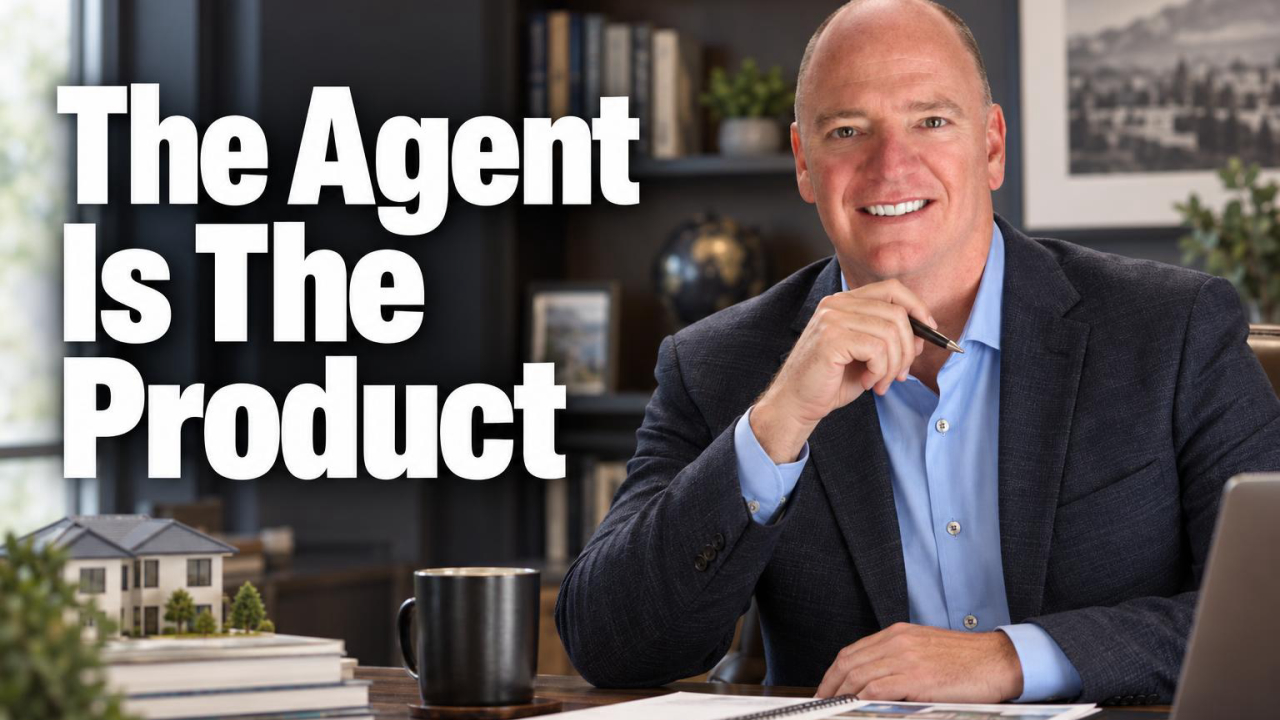
What I bring after nearly three decades in this market isn't polish. It's the ability to tell you what you don't want to hear but need to hear, and to walk you through the hard parts of a transaction before they surprise you. If you're deciding between agents right now, our take on what actually separates a good fit from a good pitch is in The REALTOR Is Once Again The Product.
Can I Cancel a Listing Agreement in North Carolina?
Standard North Carolina listing agreements run for a fixed term and don't automatically include an early-cancellation right — that depends entirely on what your brokerage negotiates into the agreement. Ask specifically for a written cancellation clause before you sign, rather than assuming one exists.
What This Means If You're Buying or Selling in Wilmington Right Now
Mortgage rates have stayed well above the sub-4% range many sellers financed at years ago, and that gap is exactly why so few owners with low fixed rates are voluntarily listing. We track how those rate shifts ripple through local pricing in Wilmington Mortgage Rates Move When, including why local rates can move even when the Fed holds steady. According to Federal Reserve Economic Data, the 30-year fixed rate has spent extended stretches well above where most current homeowners are locked in — a gap that continues to shape who moves and who stays. For a deeper dive into how the COVID-era boom continues to shape today's inventory and pricing, listen to my full conversation on the Anatomy of the Real Estate Market podcast, covered in Wilmington's Housing Market Is Still Digesting the COVID Boom.
If you're selling, make sure your representation extends all the way through closing, not just to contract. We break down why that matters, especially for estates and trusts, in Why Seller Representation At Closing Matters More Than You Think, and why you should always know who's handling your closing funds in NC Sellers: Ask Who The Closing Attorney Is Before You Sign.
If you're buying, don't rule out an early offer strategy just because inventory feels tight — timing still matters, as we cover in Understanding Early Offers. And if this is your first purchase, our First-Time Homebuyer Guide to Wilmington, NC walks through budgeting realistically for today's rate environment rather than the rates you remember from a few years ago.
Frequently Asked Questions About Wilmington Real Estate Agreements
Are real estate agreement terms negotiable?
Yes. The duration, compensation terms, scope of representation and cancellation provisions may be negotiable, although the options available can depend on the brokerage, the agreement and the circumstances.
Can a North Carolina seller cancel a listing agreement early?
A seller can cancel early only if the agreement or brokerage permits it, or if the parties mutually agree. Standard fixed-term agreements do not necessarily include an automatic cancellation right, so ask for the policy in writing before signing.
What is Buddy Blake's "Fire Us Clause"?
It is Buddy Blake and his team's mutual cancellation policy: either side can end the relationship on a day when the client is not actively under contract on a property. It is a team policy, not a universal brokerage or industry standard.
What should I ask before signing with a real estate agent?
Ask how long the agreement lasts, how compensation works, how often the agent communicates and exactly what happens if the relationship is not working. Any cancellation terms should appear in the written agreement rather than relying on a verbal promise.
One mistake I still see almost every week: someone signs an agreement without reading the part that explains how to end it. All the attention goes on starting the relationship, none on what happens if it stops working. Read that section first. If a cancellation policy is not written into the agreement, it is not a policy — it is a hope.
None of this is an argument against signing one. A written agreement protects you at least as much as it protects the agent, and a clear one makes the expectations obvious on both sides. It just has to be the version you actually agreed to, in writing, before anyone starts showing up at your door.