
Wilmington NC New Construction Walkthrough Checklist
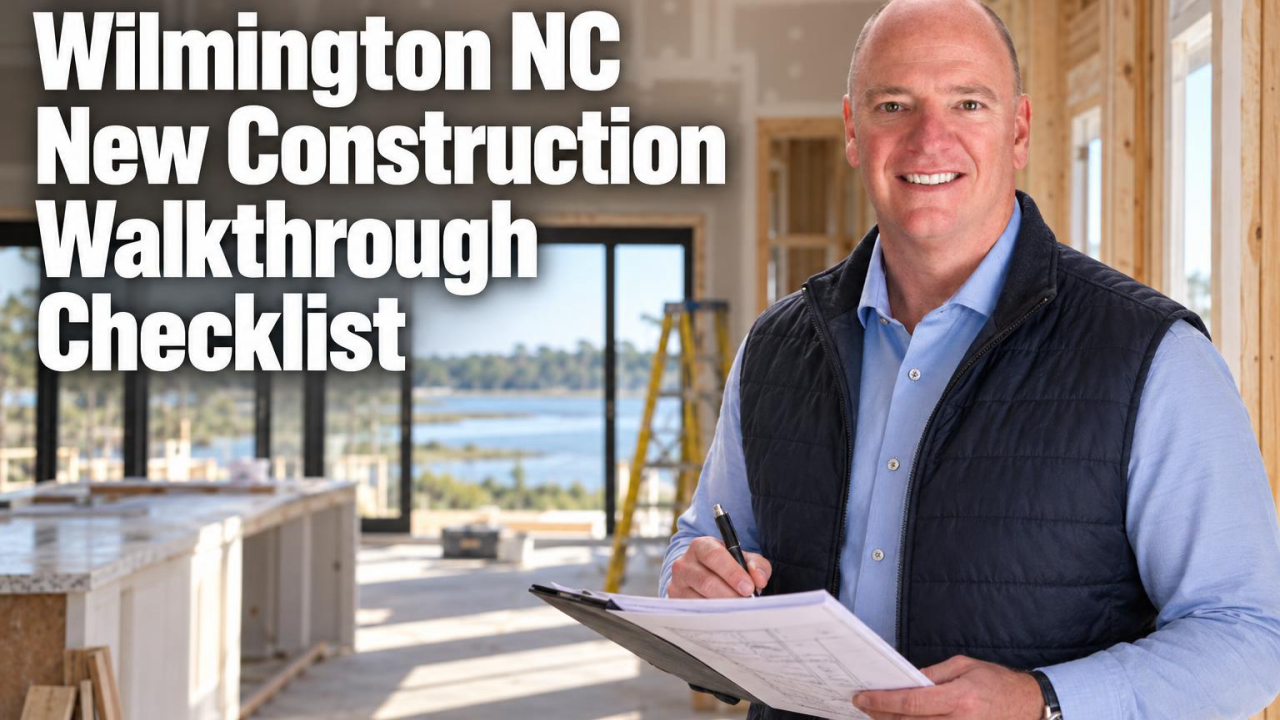
A generic new-construction checklist can remind you to flip every light switch and run every faucet. What it won't tell you is why a Greater Wilmington walkthrough also needs a look at the crawl space vents, the elevation certificate, or the date your community's HOA transfers from builder control to homeowner control. National guidance is a fine starting point, but buyers closing on new homes across New Hanover, Pender and Brunswick counties are dealing with flood zones, coastal wind-load construction codes, and amenity-heavy communities that a one-size-fits-all list simply doesn't cover.
Population growth has kept builders busy across the region, and new subdivisions continue to fill in along the Highway 17 corridor toward Hampstead, west across the Cape Fear River into Leland, and north toward Castle Hayne. If you're under contract on one of these homes, the final walkthrough is your last real chance to catch problems, ask hard questions, and document everything before you sign off. Here's what an experienced local agent actually checks — and asks — before recommending a client accept the home.
- Confirm the Certificate of Occupancy is issued before closing — not just scheduled — and verify it directly with county records.
- New construction contracts in NC typically don't use a due diligence fee/earnest money structure the way resale contracts do — know which one applies to you.
- Coastal construction adds items a national checklist skips: flood vents, weep holes, crawlspace moisture barriers and drainage grading.
- Ask exactly when your HOA transfers from builder control to a homeowner-elected board, and what reserves exist at handoff.
- Photograph and log every punch-list item with a completion deadline in writing, not a verbal promise.
Why a National Checklist Isn't Enough Here
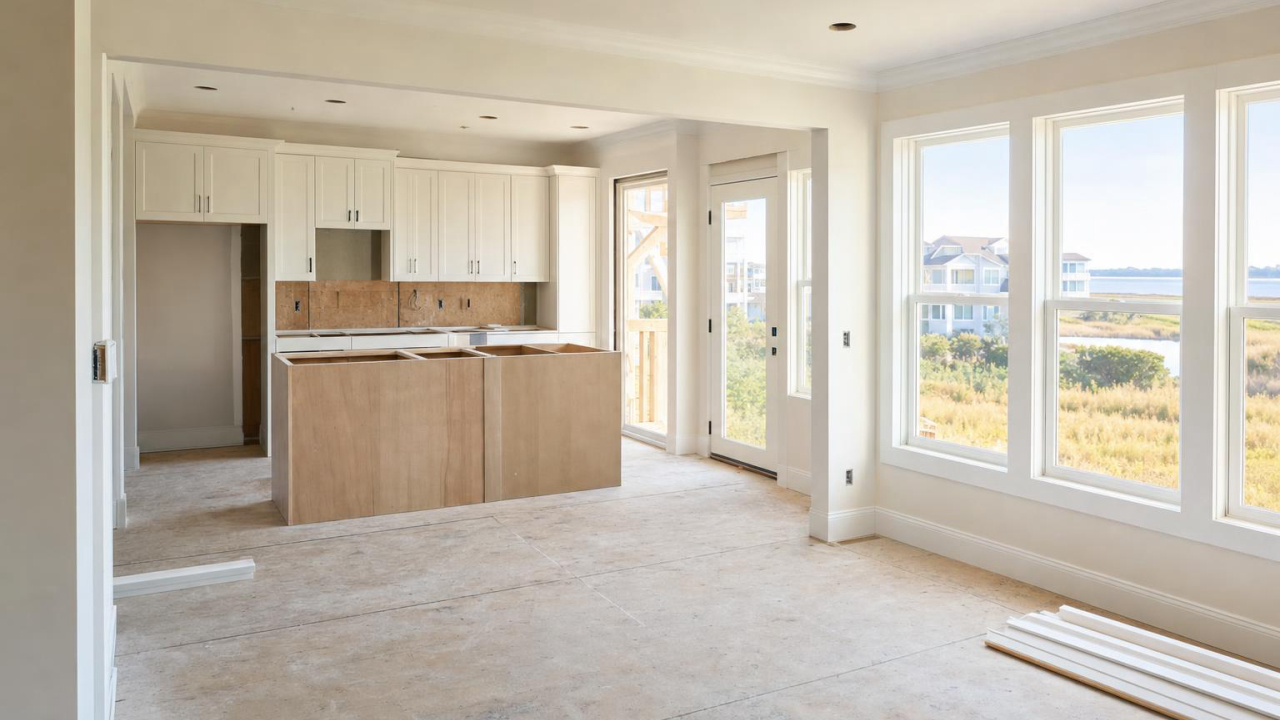
A standard walkthrough checklist focuses on universal items: doors that close properly, outlets that work, appliances that run. Those items matter everywhere, and you should still check them. But according to U.S. Census Bureau new residential construction data, single-family building activity along the coastal Carolinas has remained strong relative to many inland markets, which means more Wilmington-area buyers are closing on homes with flood-zone designations, wind-resistant construction requirements, and HOA structures that resale buyers rarely encounter in the same way.
| National Checklist Covers | Wilmington-Area Buyers Also Need |
|---|---|
| Doors, windows, outlets, fixtures | Flood vents, elevation certificate, wind-rated glazing |
| HVAC operation test | Coastal air-handler corrosion protection |
| Appliance manuals and warranty cards | Builder's structural warranty term and third-party administrator |
| Move-in punch list | Certificate of Occupancy verification with the county |
| Neighborhood amenities overview | HOA builder-to-owner control transfer date and reserve funding |
When to Schedule Your Final Walkthrough
Schedule your walkthrough as close to closing as your contract allows — ideally within 48 hours — so what you see is what you'll receive. Walking through too early lets the builder finish items after your inspection with no second look before you sign.
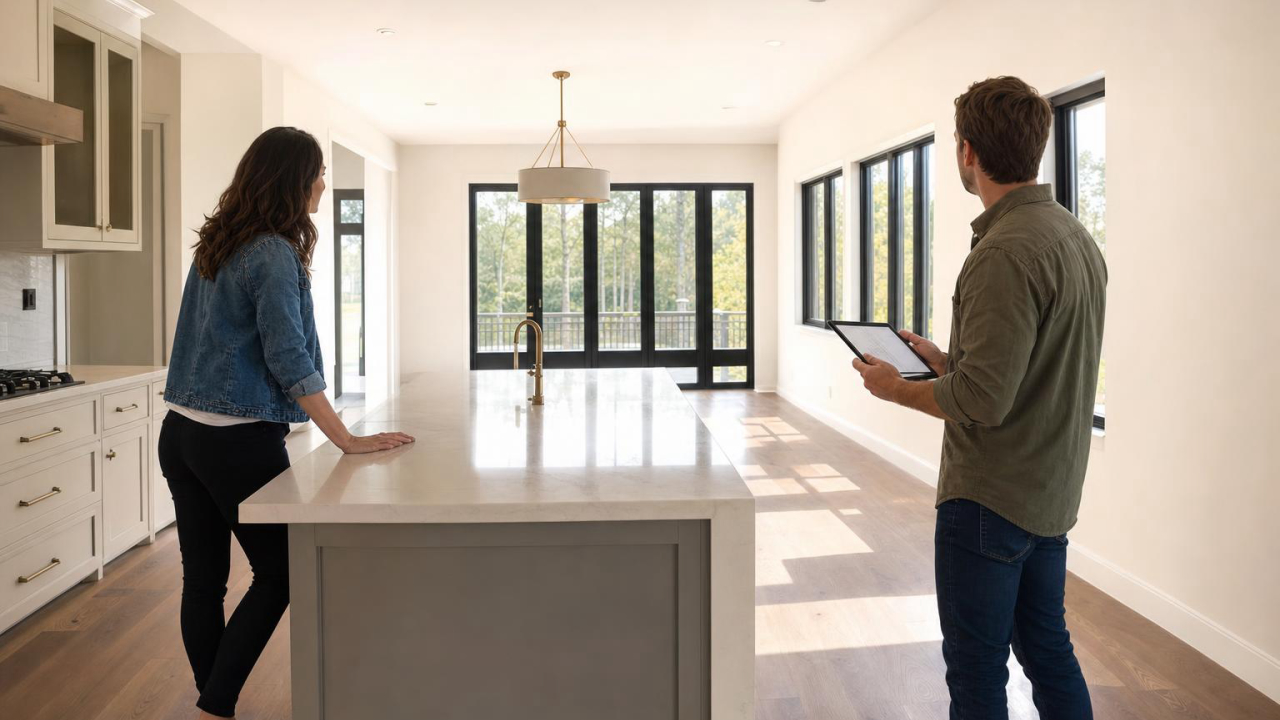
Before you schedule, confirm the home's Certificate of Occupancy (CO) has actually been issued, not just requested. A CO is the county's confirmation that the home meets code and is legally habitable, and closing attorneys typically will not disburse funds without it on file. You can verify permit and CO status directly through your county's building department records rather than relying solely on the builder's timeline.
The Systems and Punch-List Walkthrough
Bring a notepad, your phone camera, and painter's tape to flag issues as you find them. Work room by room and don't rely on memory — document as you go.
- Test every light switch, outlet, and GFCI reset button, including exterior and garage outlets.
- Run hot and cold water at every fixture and check under sinks for active leaks or damp subfloor.
- Open and close every door and window to confirm alignment, locking mechanisms, and weatherstripping.
- Run the HVAC system in both heating and cooling modes and note the thermostat model and where the filter goes.
- Flush every toilet and run every drain, watching for slow drainage or rocking at the base.
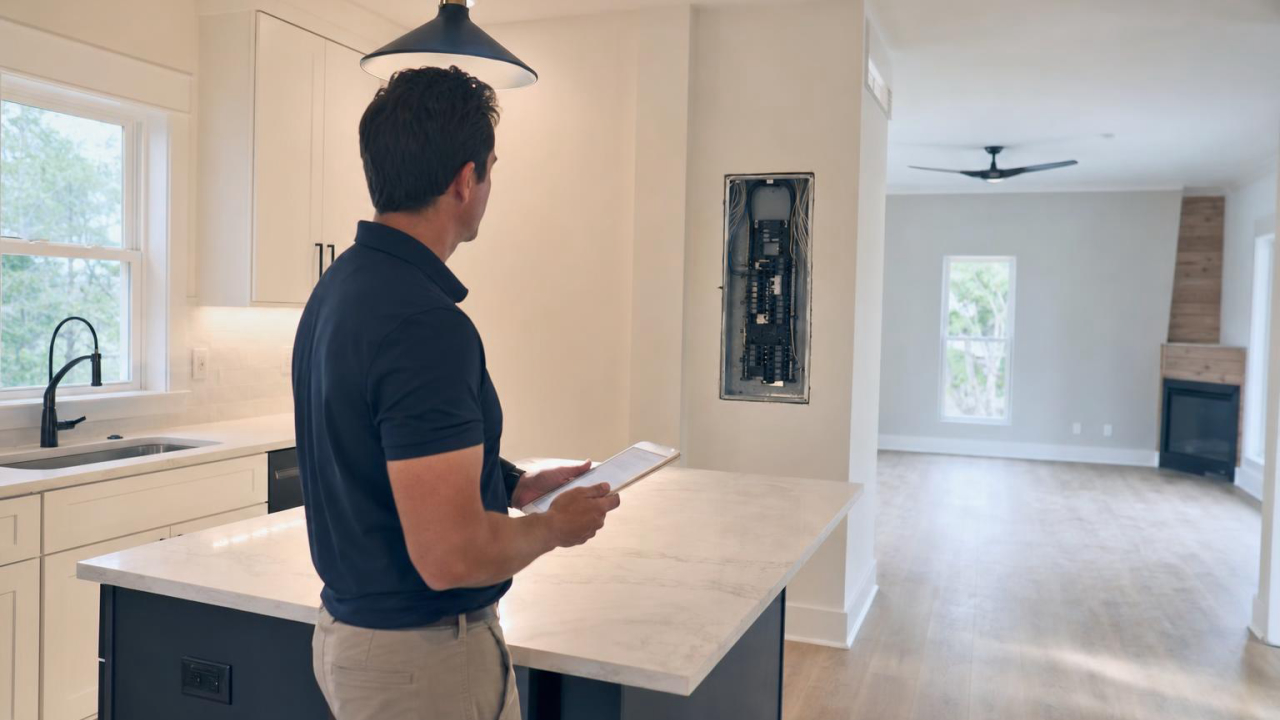
- Open the electrical panel and confirm every breaker is labeled.
- Find the main water shutoff, and check that the water heater is strapped, vented and set to a sensible temperature.
- Look into the attic for daylight, staining, or insulation that has been walked flat.
- Test the garage door opener, including the auto-reverse safety.
Everything you find goes on the punch list in writing, with a photo and a date — not in a text message that gets buried. Builders in this market will generally work through a documented list. What they will not chase is a verbal complaint made six weeks after closing.