
Moving From Raleigh to Wilmington: Scouting Playbook
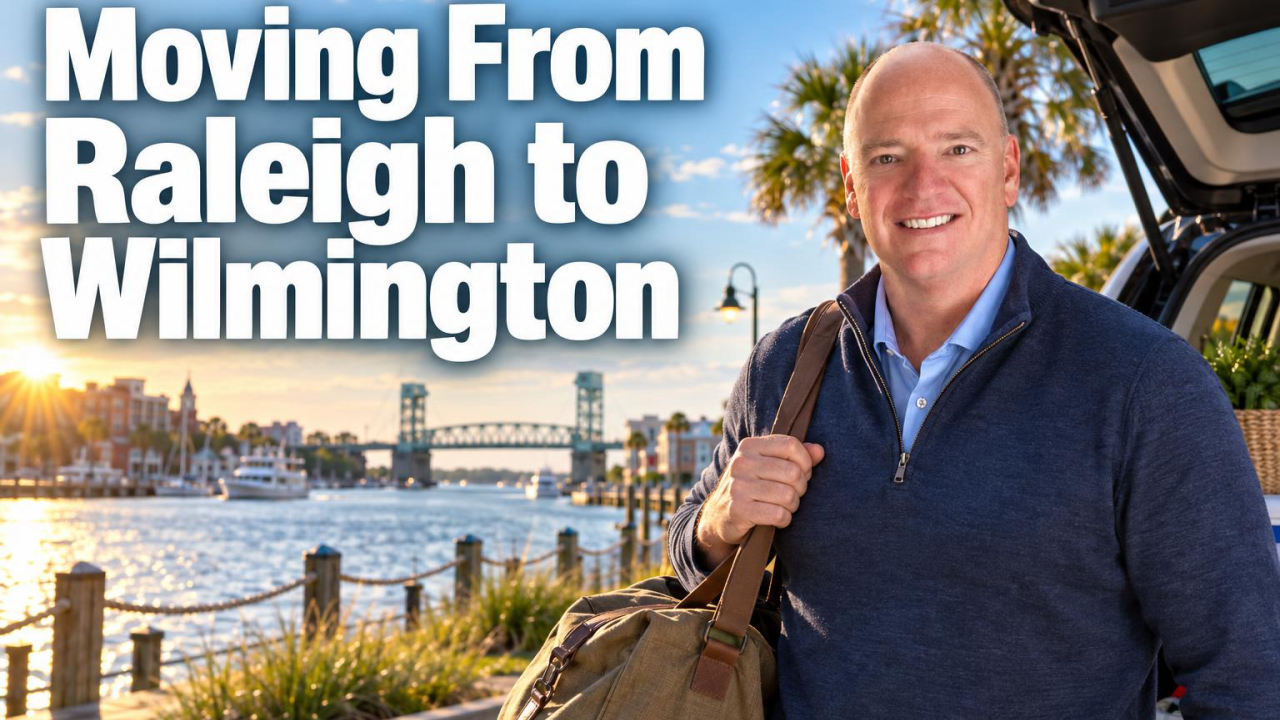
Many moves from Raleigh to Wilmington begin the same way: a beach weekend becomes a neighborhood scouting trip, and that scouting trip starts to feel like a permanent move. Raleigh carries a 75 confidence score as an intrastate migration feeder market, which is a directional planning signal—not a prediction that every Triangle visitor intends to relocate.
The two cities are roughly 130 miles apart, depending on your starting point and destination. That makes Wilmington close enough for a purposeful weekend tour, but different enough that you should evaluate housing, insurance, traffic patterns and coastal maintenance before choosing an area.
- Tour daily-life locations, not merely attractive homes.
- Compare Wilmington, the beaches, northern New Hanover County, Hampstead and Leland as separate markets.
- Price insurance, taxes, HOA obligations and commuting before setting your purchase ceiling.
- Leave the weekend with two preferred areas and one backup—not a list of 20 possibilities.
What Should You Do Before the Scouting Trip?
A productive Wilmington scouting trip starts with a monthly-cost ceiling and three nonnegotiable location criteria. Review the team’s Wilmington relocation resources, then compare the broader collection of Wilmington Neighborhoods before scheduling individual showings.
Define whether you care most about access to downtown, the beaches, boating, medical services, shopping or a route back toward Raleigh. The Wilmington-area community guide can help you organize options geographically, while the Wilmington home-buying guide explains the local purchase process.
Day One: Wilmington Core and the Southern Beaches
Use the first day to compare urban convenience, established residential areas and beach-island living. Begin downtown, move east through central Wilmington, continue south through the Masonboro and Monkey Junction corridors, and finish on Pleasure Island.
- Downtown Wilmington: Evaluate historic housing, newer residences, parking and access to the Riverwalk. Use the downtown Wilmington home search to preview the property mix.
- Central Wilmington and the UNCW area: Drive the routes you would use for employment, medical appointments and shopping. The homes near UNCW search provides useful geographic context.
- Masonboro and Monkey Junction: Compare established neighborhoods with newer options while testing Carolina Beach Road and College Road during active traffic periods.
- Carolina Beach and Kure Beach: Compare year-round island living, condos, detached homes, parking and bridge dependence. Preview Carolina Beach homes for sale and Kure Beach real estate before the trip.
Do not judge the beach areas only by the walk to the ocean. Ask how frequently you will cross Snow’s Cut Bridge, where vehicles and visitors will park, and how flood, wind and HOA costs affect the complete monthly budget.
Day Two: Northern Wilmington, Hampstead and Leland
The second day should test whether you prefer northern coastal access or the master-planned and suburban options west of the Cape Fear River. Start in Ogden and Porters Neck, continue north toward Hampstead, then cross Wilmington to compare Leland before returning toward Raleigh.

- Ogden and Porters Neck: Study access to Market Street, Military Cutoff Road and the northern waterways. Tour Plantation Landing homes as one example of the area’s residential choices.
- Hampstead: Compare larger-lot, golf, water-access and newer-home options while evaluating your route into Wilmington. Review current Hampstead real estate listings rather than assuming it functions like a Wilmington neighborhood.
- Leland: Compare newer communities, established neighborhoods and access across the Cape Fear Memorial Bridge and Isabel Holmes Bridge. Start with Leland homes for sale and the community-specific Compass Pointe home search.
- Castle Hayne: If access toward I-40 matters, include a short comparison with Castle Hayne homes for sale.
Which Wilmington Area Best Fits Your Routine?
The best area is the one whose recurring tradeoffs match your normal week. A beach address may shorten ocean access while lengthening trips to central Wilmington; Leland may offer a different selection of homes while making bridge conditions part of the commute.
| Area | Useful for comparing | Test during the trip |
|---|---|---|
| Central Wilmington | Access to employment, medical services, shopping and downtown | Street traffic, parking and property age |
| Carolina or Kure Beach | Ocean access and island housing | Bridge route, parking, flood exposure and insurance |
| Ogden or Porters Neck | Northern Wilmington and water-access proximity | Market Street and Military Cutoff routes |
| Hampstead | Northern coastal options and access toward Topsail | US-17 travel at your expected commute time |
| Leland | Newer and master-planned community choices | Bridge dependence and access into Wilmington |
If boating influences your move, compare properties through the Wilmington-area boating home search. Water views, neighborhood water access, private docks and public ramps are different benefits and should not be treated as interchangeable.
What Does a Raleigh-to-Wilmington Move Cost?
The true relocation budget includes the move itself, transaction cash, recurring ownership costs and a coastal-property reserve. Moving quotes vary with home size, packing, access, storage and timing, so obtain at least three written quotes using the same inventory list.
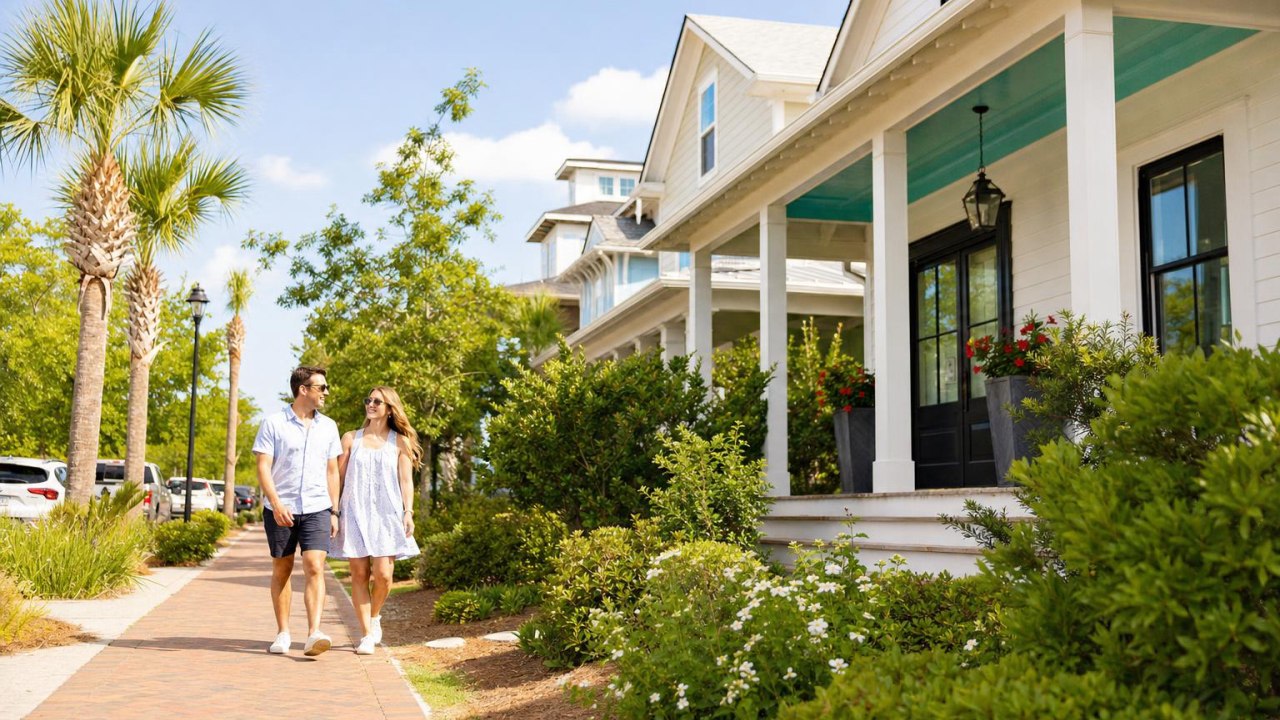
- Moving expenses: packing materials, movers, truck access, storage, utility overlap and travel.
- Purchase cash: inspections, appraisal, lender costs, due diligence fee, earnest money and closing expenses. Review how North Carolina due diligence and earnest money differ before writing an offer.
- Recurring ownership: principal and interest, property taxes, homeowners insurance, possible flood or wind coverage, HOA dues and utilities. Test scenarios with the mortgage payment calculator.
- Coastal reserve: exterior maintenance, drainage, crawl-space monitoring, HVAC exposure, tree care and storm preparation.
Check an address through the FEMA Flood Map Service Center, but do not use a map alone to estimate coverage cost. Request property-specific quotes and use the North Carolina Department of Insurance homeowner guidance to understand policy questions.
How Should You Test Wilmington Commutes?
Drive your likely commute at the hour you expect to use it, in both directions. Wilmington travel depends heavily on bridges and a limited number of major corridors, including College Road, Carolina Beach Road, Market Street, Military Cutoff Road and US-17.
Check live conditions through NCDOT DriveNC. If you will return to Raleigh regularly, compare I-40 access from Castle Hayne, central Wilmington, the beaches, Hampstead and Leland rather than relying on a single map estimate.
The Permanent-Move Decision Checklist
Do not choose an area until you can answer the following questions with property-specific information. Use this checklist on Sunday evening while each route is still fresh.

- Which two areas best fit our normal weekday routine?
- What is the complete monthly cost, including insurance, taxes and HOA dues?
- Does the property require flood or separate wind coverage?
- Which bridge or main corridor controls the commute?
- How often will we realistically drive back to Raleigh?
- Are we comfortable with the home’s exterior, drainage and storm-readiness needs?
- Would we still choose this location during heavier beach-season traffic?
Once you narrow the map, browse all Wilmington homes for sale, check scheduled Wilmington-area open houses, and create a property tracker for only your finalist locations.
Raleigh-to-Wilmington Relocation FAQs
How far is Raleigh from Wilmington?
Raleigh and Wilmington are roughly 130 miles apart, although the exact distance and travel time depend on the starting address, destination, traffic and road conditions. The proximity makes a two-day scouting trip practical.
Can I tour Wilmington in one weekend?
Yes, but use the weekend to compare geographic areas rather than tour every available home. Day one should cover central and southern Wilmington; day two can compare northern Wilmington, Hampstead, Leland and Castle Hayne.
Is Wilmington less expensive than Raleigh?
The answer depends on the property type and location. A home’s purchase price may look favorable, but coastal insurance, flood exposure, HOA dues, bridge-dependent commuting and maintenance can change the total cost comparison.
Should I choose Wilmington, Hampstead or Leland?
Choose based on your recurring destinations and route tolerance. Wilmington generally provides more direct access to city services, Hampstead positions you north toward Topsail, and Leland places the Cape Fear River bridges between many homes and central Wilmington.
What coastal costs should Raleigh buyers investigate?
Investigate homeowners, flood and wind coverage; HOA obligations; exterior maintenance; drainage; crawl-space conditions; and storm preparation. Obtain quotes for the specific address before relying on a monthly payment estimate.
When should I request insurance quotes?
Request preliminary insurance guidance while narrowing areas and property types, then obtain an address-specific quote before your due diligence period expires. Construction details, flood mapping and distance from water can materially affect the result.
How should I search after the scouting weekend?
Create separate saved searches for your two preferred areas and one backup. Keep price, property type and essential features consistent so you can compare inventory instead of reacting to unrelated listings.
Turn the Weekend Into a Confident Decision
If the weekend confirms that Wilmington fits your plans, the next step is to match your finalist areas with real inventory and property-specific ownership costs. Search all Wilmington-area homes, or use the free home value tool with no registration required if selling your Raleigh property is part of the move.
Bring your route notes, budget and top three areas to the conversation. We can help you replace a broad coastal idea with a focused search built around how you will actually live, commute and own a home here.