
First-Time Homebuyer Services in Wilmington: Roadmap

First-time homebuyer services in Wilmington, North Carolina, should turn an unfamiliar transaction into a clear sequence of manageable decisions. Buddy Blake helps buyers establish a realistic budget, compare locations objectively, evaluate properties, prepare offers, coordinate due diligence, and get ready for closing.
This is hands-on guidance rather than a collection of articles you must interpret alone. You receive local context, property-specific decision support, deadline coordination, and plain-language explanations from the first conversation through the transition into homeownership.
- A consultation that converts your goals, finances, timing, and questions into a practical plan
- A housing budget based on total monthly cost and expected cash requirements
- Objective comparisons of Wilmington-area locations, property types, and ownership costs
- A focused home search with property evaluation before and during showings
- Offer preparation grounded in comparable sales, contract terms, and your financial limits
- Coordination of inspections, insurance, financing, appraisal, title work, and deadlines
- Closing preparation and practical resources for maintaining your first home
1. Begin With a First-Home Consultation
The first consultation identifies what you can do now, what should happen next, and which issues need attention before you make an offer. The conversation covers timing, employment and financing status, available funds, preferred payment, ownership plans, property needs, regular travel destinations, and major concerns.
You also receive an overview of the typical North Carolina purchase sequence: financial preparation, preapproval, home search, offer, due diligence, inspections, appraisal, title work, final walkthrough, signing, and recording. Buddy's broader guide to buying a home in Wilmington provides useful background, while the consultation applies that information to your circumstances.
2. Build a Budget Around the Complete Housing Cost

A responsible first-home budget starts with a comfortable monthly obligation—not the largest mortgage for which a buyer might qualify. The working estimate should include principal, interest, property taxes, homeowners insurance, applicable wind or flood coverage, association dues, utilities, maintenance, and emergency reserves.
Cash to close is a separate calculation. Depending on the transaction, funds may be needed for a down payment, due diligence fee, earnest money deposit, inspections, appraisal, closing costs, prepaid taxes and insurance, moving expenses, and immediate repairs.
The Wilmington mortgage calculator can help you test payment scenarios, but a qualified lender should provide loan and property-specific estimates. The Consumer Financial Protection Bureau homebuying resources explain loan estimates and closing disclosures, while the North Carolina Housing Finance Agency publishes current requirements for qualifying homebuyer programs.
How much money does a first-time buyer need?
There is no universal cash requirement for a first home. The amount depends on the loan, purchase price, negotiated contract terms, inspections, prepaid expenses, closing costs, and the reserve the buyer wants to retain after closing.
Due diligence fee versus earnest money
Due diligence money and earnest money serve different purposes under a typical North Carolina purchase contract. The due diligence fee is generally paid to the seller and is usually nonrefundable except in limited contractual circumstances; earnest money is normally held in escrow and handled according to the contract.
Before an offer is submitted, Buddy explains the practical financial exposure associated with each amount. A North Carolina real estate attorney should answer legal questions about contract rights and remedies.
3. Compare Wilmington Locations Objectively

Location matching compares communities against your stated priorities without declaring one area universally better than another. The analysis may include price, property type, taxes, insurance, association obligations, maintenance, commute routes, flood information, lot characteristics, and access to the amenities you select.
Depending on your criteria, the comparison might include condominiums or older homes near downtown, established Midtown properties, homes around Ogden and Porters Neck, locations near Masonboro or Monkey Junction, and communities in Castle Hayne. The Wilmington neighborhoods and communities guide is a useful starting point before narrowing the search by budget and ownership priorities.
Coastal proximity may introduce insurance, flood, drainage, corrosion, and exterior-maintenance considerations that differ from an inland property. School assignments should be checked by exact address through New Hanover County Schools, because attendance boundaries can change and should not be assumed from a neighborhood name.
4. Search for Ownership Fit, Not Just Attractive Photos
A productive home search filters listings by total ownership fit, not only price, bedroom count, and appearance. Buddy helps separate requirements from preferences, recognize potential cost concerns, and prepare focused questions before scheduling a showing.
During a tour, the evaluation expands beyond finishes to layout, apparent maintenance, major systems, drainage, exterior materials, association responsibilities, renovation practicality, and potential resale limitations. A showing is not a professional inspection, but it should determine whether a property deserves the time and expense of formal due diligence.
Buyers can browse current Wilmington, NC homes for sale while Buddy develops search criteria around a verified budget, preferred property types, and location priorities.
5. Prepare an Offer With Evidence and Clear Limits
Offer support combines comparable sales, property-specific risk, contract terms, current competition, and the buyer's financial boundaries. Before signing, the buyer reviews relevant sales, listing history, apparent condition, proposed dates, financing needs, appraisal exposure, included items, and due diligence decisions.
Price is only one part of the decision. A higher offer with excessive cash exposure or impractical deadlines may be less suitable than an offer structured around terms the buyer understands and can complete.
6. Coordinate Inspections and Due Diligence
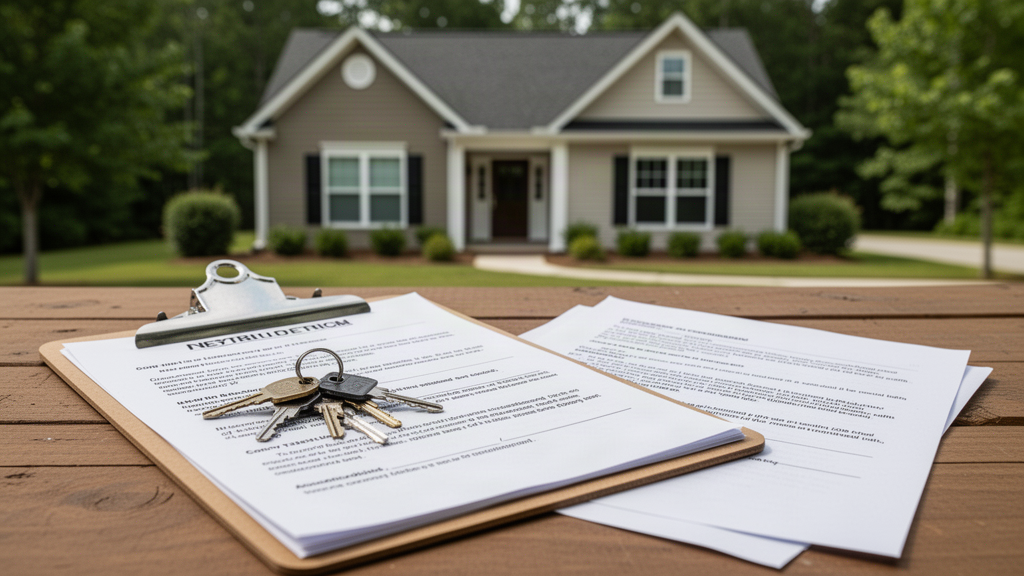
The buyer selects the inspectors, while Buddy helps coordinate access, deadlines, reports, specialist follow-up, and the decisions produced by those findings. A home may warrant a general inspection plus evaluations involving roofing, HVAC, electrical, plumbing, structural conditions, moisture, wood-destroying insects, a private well, or a septic system.
For coastal or low-lying properties, buyers should review the official FEMA Flood Map Service Center and obtain property-specific insurance quotes before the due diligence period ends. A mapped flood designation is not the only consideration; elevation, drainage, available disclosures, policy terms, and lender requirements can also affect the decision.
What happens after an inspection?
An inspection report creates a decision list, not an automatic repair list. Buyers identify material concerns, obtain specialist advice or estimates when needed, review their contractual options, and make documented decisions before the applicable deadline.
7. Prepare for Appraisal, Title Work, and Closing
Closing preparation keeps financing, appraisal, title work, insurance, funds, documents, and property-related tasks moving toward the same settlement date. Buddy monitors milestones and helps keep unresolved questions visible to the buyer and the appropriate lender, closing attorney, inspector, insurance professional, or other specialist.
Before settlement, the buyer typically satisfies final lender conditions, reviews closing figures, obtains required insurance, arranges utilities, independently verifies wiring instructions, and completes a final walkthrough. In North Carolina, signing documents does not by itself complete the purchase; key delivery and possession should follow the transaction instructions and confirmation that closing requirements have been completed.
What does the final walkthrough confirm?
The final walkthrough confirms the property's condition shortly before closing; it is not a substitute for an inspection. The buyer checks that the home remains in the expected condition, agreed items are present, and any previously documented work can be reviewed as appropriate.
8. Continue With Practical Post-Closing Support
First-time buyer support should remain useful after the keys are delivered. Homeowners should securely retain settlement documents, inspection reports, warranties, insurance records, surveys, repair invoices, and improvement receipts.
Buddy remains available when you need local service-provider suggestions, want to discuss the potential resale implications of an improvement, or need help interpreting nearby real estate activity. Post-closing guidance does not replace licensed contractors, attorneys, tax professionals, or insurance advisers, but it can help you identify the right next question and professional resource.
How Should a First-Time Wilmington Buyer Start?
Start by defining a comfortable payment, estimating available cash, and scheduling a consultation before selecting a property. That framework makes later decisions about financing, locations, offers, and inspections more consistent.
- List your income, recurring debts, savings, and current housing expenses.
- Choose a preferred monthly housing range rather than focusing only on a maximum purchase price.
- Separate property requirements, preferences, and deal-breakers.
- Identify work locations, regular destinations, and acceptable travel ranges.
- Write down your questions about financing, contracts, inspections, insurance, and closing.
First-Time Homebuyer Service FAQs
Do I need lender preapproval before speaking with Buddy?
No. You can begin with a first-buyer consultation, although preapproval is normally needed to establish a verified financed budget and prepare a financed offer.
How much cash does a first-time buyer need?
The amount depends on the loan, purchase price, down payment, contract deposits, inspections, closing costs, prepaid expenses, moving costs, and desired reserves. A complete estimate should be prepared before making an offer.
How are Wilmington-area neighborhoods compared?
Locations are compared using objective factors such as price, property type, taxes, insurance, association obligations, commute routes, flood information, maintenance expectations, and access to buyer-selected amenities.
What help do I receive when making an offer?
Offer support includes reviewing comparable sales, listing history, apparent condition, proposed dates, financing needs, appraisal exposure, due diligence decisions, and the practical effect of the contract terms.
Who chooses the home inspector?
The buyer selects the inspector. Buddy helps coordinate property access, contractual deadlines, report delivery, specialist follow-up, and questions arising from the findings.
What happens immediately before closing?
The buyer typically completes final lender conditions, confirms insurance and funds, reviews closing figures, independently verifies wiring instructions, arranges utilities, and conducts a final walkthrough.
Does first-time buyer support continue after closing?
Yes. Post-closing support can include help organizing ownership records, identifying local service resources, considering the potential resale implications of improvements, and understanding later market activity.
Your first purchase should begin with a plan built around your finances, timing, and questions—not pressure to select a house immediately. When you are ready, speak with Buddy about buying your first home in Wilmington and turn the process into a clear series of informed, manageable decisions.
We are pledged to the letter and spirit of U.S. policy for the achievement of equal housing opportunity throughout the Nation.