Price Conquers All: Why Price Beats Location When You Sell
When you sell a home, three things have traditionally mattered most: price, condition and location. In today's market, that order has changed. It isn't "location, location, location" anymore. It's price, price, price.
If your home is sitting without interest or offers, the most likely issue is price. Buyers aren't chasing dream homes based on location or upgrades. They're looking for value. If a home feels overpriced, buyers move on, no matter how nice it is or where it sits. Whether your home is a fixer-upper, move-in ready or anything in between, every buyer, at every budget, is looking for a fair deal. If they don't see value, they don't make an offer.
Let me walk you through what I've seen over and over, and what sellers need to understand before they list.
Why pricing right the first time matters
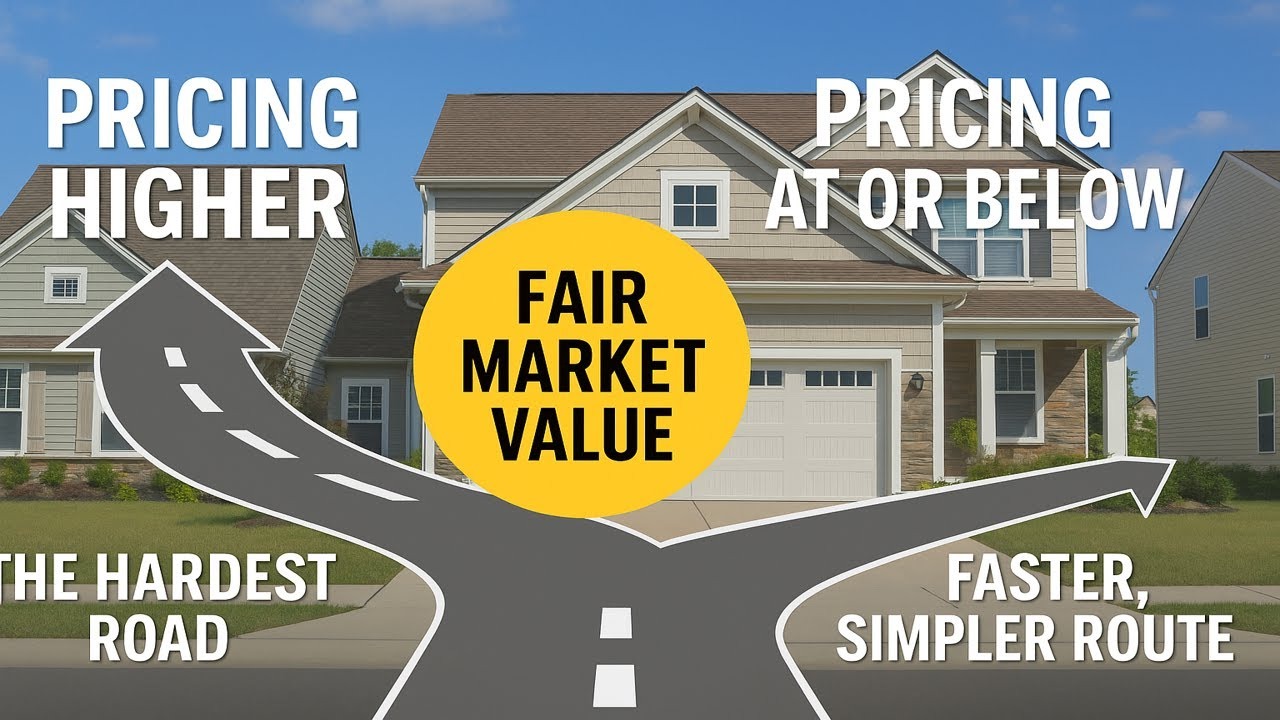
It's tempting to "start high" and leave room to negotiate. In my experience that's usually the hardest road to a sale:
- Fewer showings. Overpriced homes get fewer online clicks and fewer in-person showings. No traffic means no traction.
- Longer time on market. The longer a home sits, the more stale it looks, and stale homes attract lowball offers.
- Weaker terms. Buyers know you're vulnerable after weeks on the market. They negotiate harder, ask for more concessions and push harder on repairs.
Starting high often ends with sellers accepting less than they hoped for, with more stress along the way. Instead, consider pricing at or just below fair market value. That's what creates more showings, more offers, more leverage, stronger terms and less stress.
What smart pricing looks like in real numbers
This isn't just theory. I've listed homes at a competitive price and seen several offers come in within days. The terms were cleaner, the inspections smoother and the process faster. Pricing correctly gives you more control and puts you in a stronger position from the beginning.
Over the last 12 months in the city of Wilmington, homes priced right from the start (sold at 97% or more of their first asking price) sold in a median of 9 days. Homes that needed price cuts took a median of 64 days, and 22.6% of listings didn't sell at all. More at Wilmington seller numbers.
Pricing creates urgency
Buyers today are careful. They're watching their monthly payment and they're afraid of overpaying. But a home priced right still creates a buzz. Buyers don't want to miss a good one, so they act. That's how you get stronger offers with better terms.
When you overprice, that urgency disappears, and buyers simply wait for the next listing.
"But what if I want more?"
Every seller has a number they're willing to sell for and a number they wish they could get. Here's the truth: fair market value isn't what you think your home is worth. It's what buyers are willing to pay, and that number is shaped by current market conditions, not personal opinion.
That's why starting too high and "working your way down" is backwards. Start with fair pricing, create competition and let the buyers work their way up. And remember, you aren't obligated to accept the first offer, even if it's at asking price. If you attract the right interest from the start, you're in the driver's seat.
If you've owned your home for more than a few years, you've likely built real equity, and for a primary residence much of that gain may be tax-free (your tax advisor can confirm). Smart pricing protects that equity while still attracting the right buyers.
Showings are your market feedback
A quick rule of thumb: if your home isn't averaging about one showing per day in the first two to three weeks, you're probably priced too high.
Lots of online views but few showing requests is another warning sign. Buyers are curious, but they aren't seeing enough value to take the next step. Sometimes it's the price, sometimes the photos or perceived value. Even too many photos, or awkward angles in a 3D tour, can make a home seem less appealing. Less can be more.
Selling doesn't have to be hard
You have a choice. Take the hard road: price high, wait longer and fight through negotiations, inspections and concessions. Or take the smart road: price right, attract more buyers, sell faster and move on with your life.
This isn't about convincing you to underprice your home. It's about positioning your property to win in a competitive, value-driven market.
A final word
I've been selling homes on this coast since 1998. What I've learned, especially in shifting markets like this one, is simple: price solves almost everything. If you're serious about selling, be serious about pricing, and work with someone who is active in the market every day, not someone who lists and waits.
If you want to know where your home really fits, call or text me at (910) 395-1000, or start by seeing what your home is worth. I'll help you look at the market, review your pricing options and build a plan around your goals.