
Should You Consider a Lowball Investor Offer?
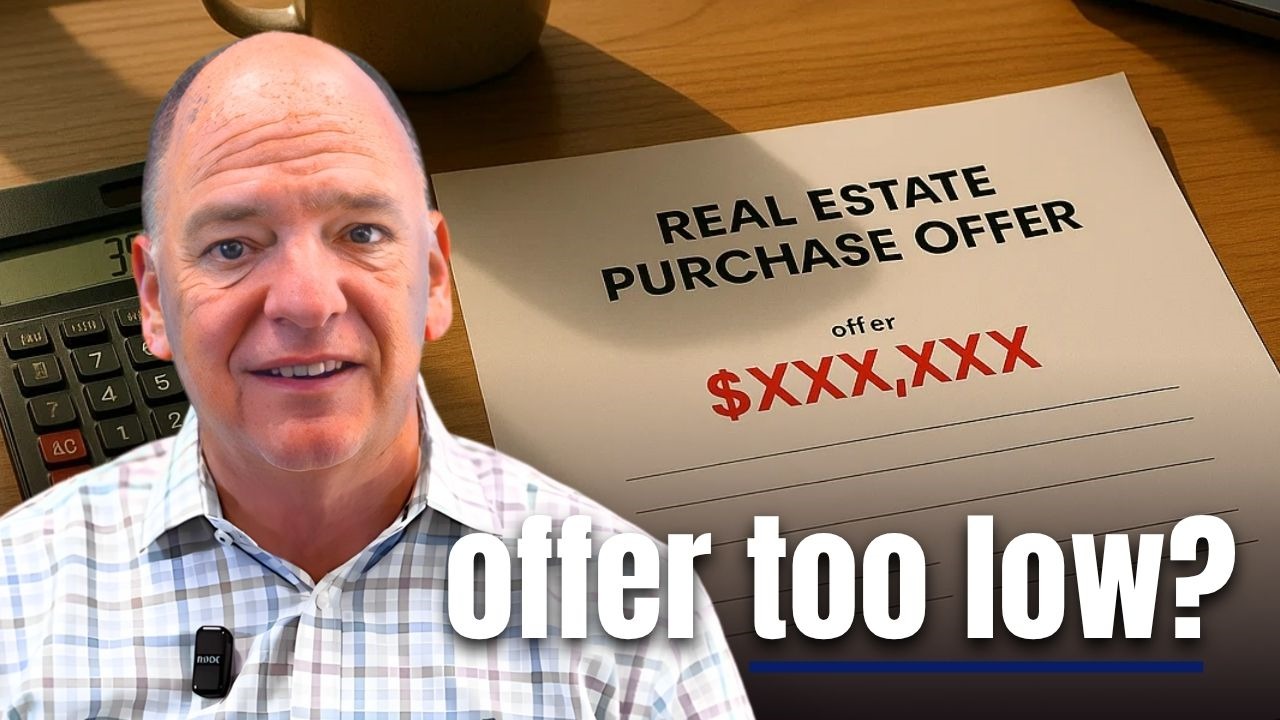
You've listed your home, and the first offer that lands makes your heart sink. It's thousands below your asking price. Maybe it's from an investor who wants to flip the property or rent it out. Either way, it feels discouraging.
Before you reject it outright, pause. Not every lowball offer is a waste of time. Some lead to a deal that's faster, smoother and, once you run the numbers, better than it first looked. Sometimes a lower offer means fewer repairs, a faster closing and more cash in your pocket.
Why You're Seeing These Offers
Buyers who can close without a mortgage are a big part of our market. Over the last 12 months, 25.6% of Wilmington sales were cash. Not all of those buyers are investors, but many investors do buy with cash, and they tend to make offers based on math, not on how the home makes them feel.
That doesn't mean every investor offer works in the seller's favor. Some are fair, and some are simply fishing for a discount from someone who doesn't know what their property is worth. Investor offers aren't automatically good or bad. What matters is how you handle them.
1. Evaluate the Offer, Not the Emotion
It's natural to feel offended when a buyer comes in far below your asking price, but resist the urge to take it personally. Before you respond, ask your agent:
- Is it an all-cash offer?
- Are there contingencies, or an inspection or due diligence period?
- How quickly can they close?
A lower offer that's cash and straightforward might make more sense than a higher one tied up in financing and delays. Step back, take the emotion out, and focus on what the offer really represents.
A low price doesn't always mean a low payoff. It's all about what you walk away with.
2. Run the Math on Your Net
What really matters isn't the offer price. It's what you walk away with at closing, your net proceeds. That's what tells you how good or bad an offer really is.
That's why a seller's net sheet is so valuable. It's a one-page estimate of your real costs and what you stand to gain, including:
- Remaining mortgage balance
- Repairs or credits
- Closing costs
- Carrying expenses like utilities, insurance and taxes
Sometimes a lower cash offer can still leave you ahead once you factor in what you'd save on mortgage payments, property taxes and weeks or months of showings. Seeing the math clearly helps you make a confident decision instead of an emotional one.
3. Counter Before You Walk Away
Instead of rejecting an investor offer outright, it's often smarter to counter, even slightly. That small move tells you whether you're dealing with a serious buyer or someone fishing for a discount.
If the investor comes back with better terms or adjusts quickly, you've got someone worth negotiating with. If they disappear, you've saved yourself time and frustration. A counter isn't a commitment. It's a way to gather information and stay in control of the deal.
Negotiation isn't conflict. It's strategy. And when the timing and terms line up with your goals, an investor offer can make for a smoother, faster sale.
It also helps to know what homes like yours are really selling for. Our Wilmington seller numbers show how pricing and time on market play out locally.
The Bottom Line
A lowball investor offer doesn't automatically mean a bad deal. Sometimes it's the quickest route to a clean cash sale that frees you from carrying costs and uncertainty. Other times it simply isn't worth your time. The goal is to analyze the details, calculate your net and negotiate strategically, not emotionally.
If you've received an investor offer and aren't sure whether to take it or walk away, call or text me at (910) 395-1000. I'll help you review the numbers and choose the path that makes the most sense for you. You can also see how I sell homes.