Coastal-Flood-Wind-Insurance-Guide
Buying near the Wilmington coast requires more than checking whether a home is inside a mapped flood zone. Before making an offer, buyers should investigate the property’s hurricane exposure, flood history, roof condition, elevation information, insurance availability, deductibles, and likely annual ownership costs.
That work matters whether you are comparing mainland Wilmington homes for sale or properties closer to the ocean in Carolina Beach. Two similarly priced homes can produce very different insurance costs and storm-related financial exposure.
- Obtain property-specific homeowners, wind and flood insurance quotes.
- Review the FEMA flood designation and broader flood-risk information.
- Confirm roof age, permits, prior claims and available elevation documents.
- Compare hurricane or named-storm deductibles in dollars—not percentages alone.
- Complete as much research as possible before paying a substantial due diligence fee.
What Should You Check Before Making an Offer?
Before making an offer on a coastal home, verify that the property can be insured on acceptable terms and that its flood and wind exposure fits your budget. Do not rely solely on the current owner’s premium, an online estimate, or a neighbor’s policy.
Insurance pricing is property-specific. Roof age and shape, construction details, elevation, distance from water, prior claims, replacement cost and the buyer’s intended use can all affect eligibility and price.
- Send the exact address to an insurance professional. Request written estimates for homeowners, wind or hail, and flood coverage as applicable.
- Ask what could prevent binding. An aging roof, unrepaired damage, an electrical issue or incomplete property information may affect the answer.
- Compare deductibles and exclusions. The lowest premium is not necessarily the strongest financial fit.
- Confirm the quote’s assumptions. Primary residences, second homes and short-term rentals may be evaluated differently.
Is a Flood Zone the Same as Flood Risk?
No. A flood-zone designation is a mapped insurance and lending classification; it is not a promise that a property will or will not flood. Buyers should review the map designation together with elevation, drainage, nearby water, historical information and property-specific insurance options.
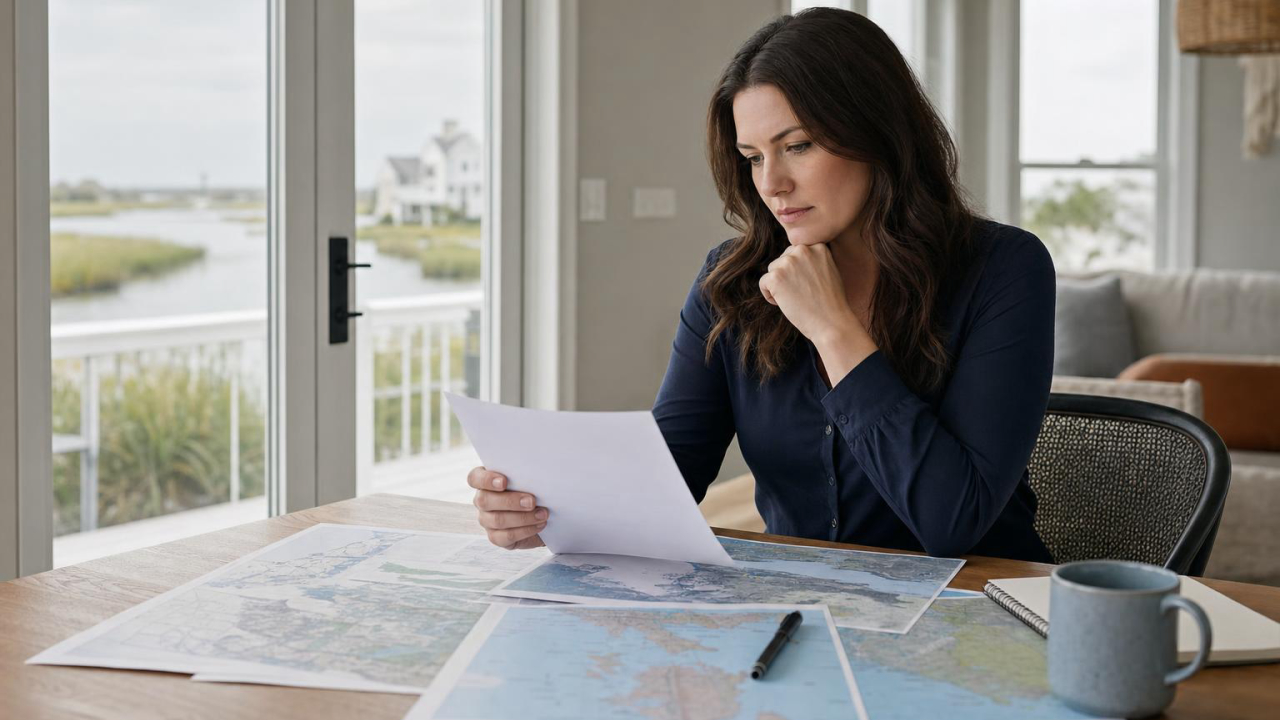
Start with the official FEMA Flood Map Service Center. North Carolina’s Flood Risk Information System can provide another useful view of mapped flood hazards and available floodplain data.
In the Wilmington area, risk can vary block by block near tidal creeks, the Intracoastal Waterway, the Cape Fear River, marshes and low-lying drainage areas. Buyers searching for homes near Wilmington-area beaches should never assume that distance from the ocean answers the entire flood question.
Flood Documents to Request
- Any available elevation certificate or survey showing elevations
- Known flood or water-intrusion disclosures
- Available documentation for flood-related repairs
- Current flood policy information, while recognizing that a buyer’s terms may differ
- Information about crawlspace, foundation and mechanical-equipment elevations
Which Insurance Quotes Should Coastal Buyers Obtain?
A coastal buyer may need separate evaluations for homeowners coverage, wind or hail exposure, and flood insurance. A standard homeowners policy generally does not cover flooding, and wind coverage may carry separate terms or deductibles.
Ask each insurance professional to identify what is included, excluded or subject to a separate deductible. The North Carolina Department of Insurance homeowners resource explains coverage concepts and offers consumer guidance.
How Do Percentage Deductibles Work?
A percentage deductible is commonly calculated from the insured dwelling amount, not the size of the claim. For example, a hypothetical 2% deductible on $500,000 of dwelling coverage would equal $10,000.
Ask for the hurricane, named-storm, wind and all-other-perils deductibles in actual dollars. Also confirm the event that triggers each deductible, because policy wording matters.
Why Do the Roof and Property Condition Matter?
The roof can affect both the physical risk of storm damage and the availability or cost of insurance. Verify its age, covering material, repair history and permit record instead of accepting “newer roof” as a complete answer.
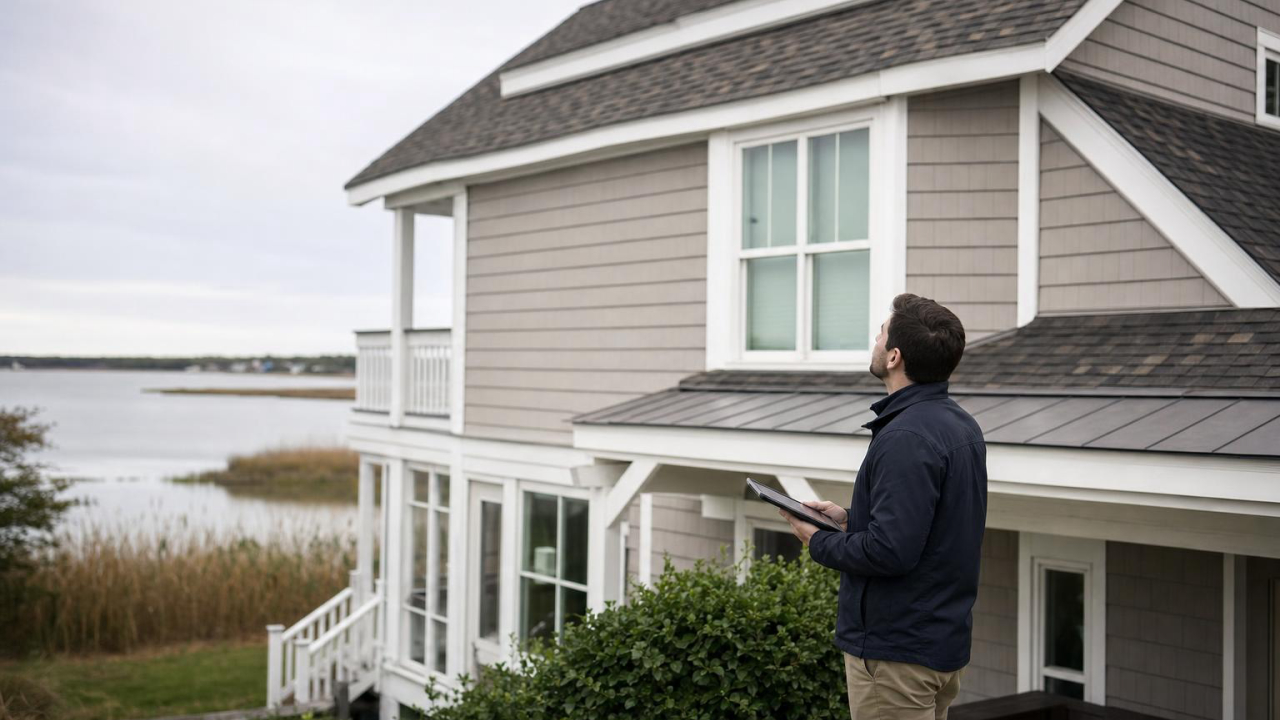
During inspections, pay attention to roof-to-wall connections when observable, attic water staining, flashing, soffits, gutters, exterior openings, crawlspace moisture and the elevation of HVAC or electrical equipment. Inspection findings should be shared promptly with the insurance professional if they could alter the quote.
How Does North Carolina Due Diligence Affect This Checklist?
North Carolina buyers should complete high-impact insurance research early because the due diligence fee is generally paid directly to the seller and is typically nonrefundable if the buyer terminates. The contract and the circumstances control, so buyers should obtain legal guidance for contract questions.
Our detailed guide to North Carolina due diligence fees and earnest money explains why the timing matters. A short due diligence period may leave little room to obtain inspections, documentation, lender approval and final insurance answers.
Your Due Diligence Insurance Timeline
- Request preliminary quotes before the offer whenever insurance is a major concern.
- Order inspections immediately after contract acceptance.
- Send material inspection findings to the insurance professional.
- Verify replacement-cost assumptions, deductibles and policy conditions.
- Confirm the lender accepts the proposed coverage before the due diligence deadline.
How Should You Budget for the True Coastal Ownership Cost?
The true monthly cost includes more than principal, interest, taxes and a basic insurance estimate. Coastal buyers should model all applicable policy premiums, association obligations, deductibles, routine exterior maintenance and a reserve for storm preparation or repairs.

Use a property-specific insurance total when reviewing affordability with your lender. Buyers who are still defining their search can begin with our Wilmington home-buying roadmap, then compare homes using the same coverage and deductible assumptions.
Coastal Home Insurance and Flood FAQs
Should I get insurance quotes before offering on a coastal home?
Yes, particularly when the home is near the ocean, river, marsh, sound or tidal creek. A preliminary property-specific quote can reveal eligibility issues, large deductibles or costs that materially change affordability.
Does homeowners insurance cover flooding?
Standard homeowners insurance generally does not cover flooding. Flood coverage normally requires a separate policy, and buyers should compare available federal and private-market options with a qualified insurance professional.
Do I need flood insurance outside a high-risk flood zone?
A lender may not require it, but that does not mean the property has no flood exposure. Review the site, elevation, drainage and surrounding water features before deciding whether optional coverage fits your risk tolerance.
Can I use the seller’s insurance premium for my budget?
Use it only as background information. Your premium, coverage availability and deductible structure may differ because underwriting considers the buyer, property, coverage limits and intended use.
What is an elevation certificate?
An elevation certificate documents property and building elevation information used for floodplain management and, in some cases, insurance evaluation. If one exists, provide it to the insurance professional and surveyor for review.
Can an older roof make a coastal home harder to insure?
Yes. Roof age, condition, covering material and documentation can affect eligibility, premium and settlement terms, so verify the roof before relying on an insurance quote.
What is the biggest pre-offer mistake coastal buyers make?
The biggest mistake is treating insurance as a closing task instead of a property-selection issue. Coverage cost, exclusions and deductibles should be evaluated while the buyer can still compare homes objectively.
Official Resources for Coastal Buyers
Flood maps and insurance terms can change, so verify current information directly with FEMA, the North Carolina Flood Risk Information System, the North Carolina Department of Insurance, your lender and licensed insurance professionals. The National Oceanic and Atmospheric Administration’s hurricane preparedness guidance also provides practical information for understanding and preparing for hurricane hazards.
If you are comparing Wilmington-area coastal properties, start by reviewing all available residential homes, then narrow the search using verified flood, condition and insurance information. When you find a serious contender, contact the Buddy Blake Real Estate Team so we can help organize the property questions before you commit to an offer.
We are pledged to the letter and spirit of U.S. policy for the achievement of equal housing opportunity throughout the Nation.